Brands that age well.
What makes some brands a fad, while others seem near immortal?

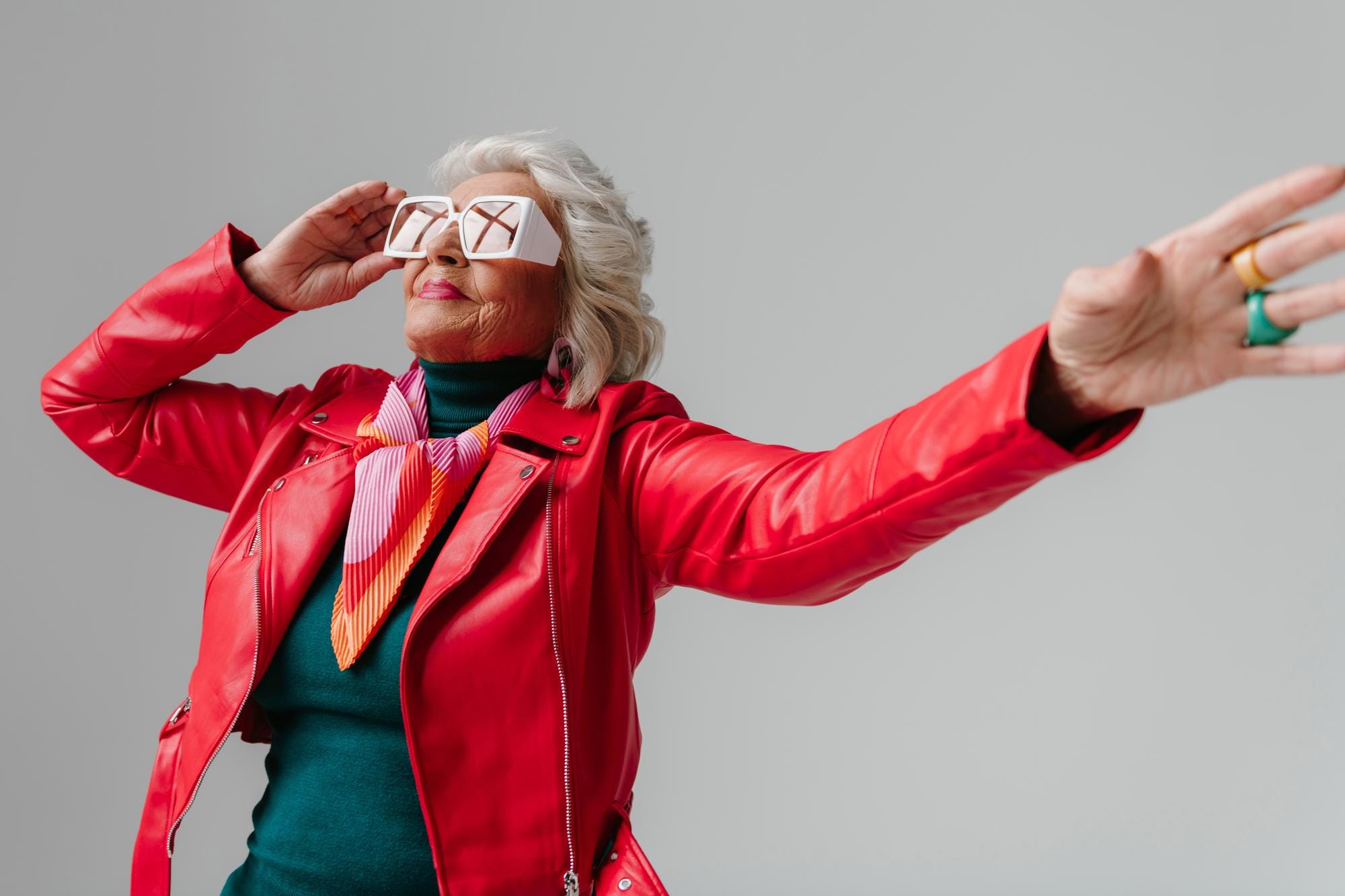
Some brands feel dated within two years. Others stay distinctive and credible for decades — and not because they never evolve, but because their core never wavers.
What makes some brands a fad, while others seem near immortal? I find this question genuinely interesting, and it comes up in almost every strategy project I work on. Founders building at scale don’t want to be back at the rebrand table in three years. They want something that can grow with them, and that reflects where they’re going, not just where they are right now.
So what do the ones that age well actually have in common?
They’re built around a position, not a trend
Brands that chase trends date themselves. The colour palette that reads as ‘premium and contemporary’ today will read as ‘trying too hard in 2024’ by 2028. Same goes for copy.
Brands anchored in a genuine market position — a clear articulation of what they do differently, for whom, and why it matters — are far more resilient. The visual expression can evolve — the positioning doesn’t need to, because it was never built around what was current.
They’re built by someone who understands the business
Not just the brief — the business. The competitive landscape, the ambition and vision, the clients the founder is trying to attract in five years rather than the ones they have now.
A brand built for the business you are today has a built-in expiry date. One built for the business you’re becoming gives you room to grow into it. The latter might feel like a bigger investment up front, but it pays for itself many times over, because you’re not rebuilding from scratch every time the business takes a meaningful step forward.
Brand equity compounds, just like any other asset. The brands that last are the ones that were given the chance to accumulate it. Not the ones that ditched it all and started over because they ‘felt like a change’.
They have flexibility built in
This is the one people overlook most, and it might be the most practically important. A brand that can only ever look one way, live in one place, or speak in one register is a fragile brand. The businesses that outgrow their brands fastest are usually the ones whose visual identity was designed for a single moment: a specific product, a specific channel, or a specific size — without any thought given to what comes next.
The brands I see holding up over time have identity systems designed to flex across new contexts, channels, and service lines without losing coherence. There are clear principles behind every decision, so when the business evolves, whoever is making brand decisions knows what to keep and what to adapt. It doesn’t matter whether that’s an internal team, a new hire, or an external partner coming in later. The brand foundations do the heavy lifting.
That requires a different kind of strategy process. Not a document describing what you are right now, but a foundation that can guide what you do next.
They’re made for a specific audience — and stick with it
There’s a certain kind of brand erosion that happens when a business tries to grow by broadening its appeal. It starts softening its edges and speaking to a broader net, and somewhere in that process, the brand loses the thing that made it worth paying attention to in the first place. This often happens so gradually, that by the time you notice — it’s too late.
Brands that last know exactly who they’re for, and they treat that audience with intelligence and respect. They don’t dumb things down, or try to make things more palatable. They make a specific promise and keep it, year after year, even as the business around them changes. That approach ages better than trying to appeal to everyone and offend no one, trust me.
A closing thought:
‘Legacy’ gets used as a vague aspirational word, and I understand why people find it slippery. It can sound grand, abstract, and ever so slightly self-important.
Here’s a more practical way to think about it:
A brand with longevity is simply one that was built for the business you’re becoming, not the one you’re running right now.
It was designed to be used, adapted, and built upon — not admired once and then quietly outgrown. That’s a different brief. It requires a different process and a different kind of thinking. But it results in something most brands never manage to become: genuine, lastingly valuable.
Warmly,